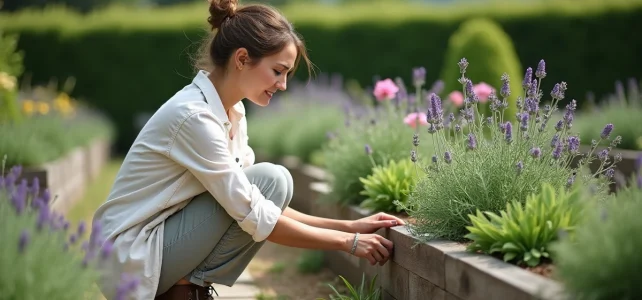
There are plants that get along wonderfully from the very first season, and others that stand together against the whims of the garden. Lavender, however, confuses the issue: far from being limited to its Mediterranean peers, it willingly displays itself alongside species with very different lifestyles. This bold choice creates more robust flowerbeds, less vulnerable to diseases and pests.
Creating effective plant associations is not a matter of chance. Bringing together lavender and other plants gives the garden a boost: the soil comes alive, beneficial insects flock in, and balance is established. To succeed, one must observe: flowering cycles, drought tolerance, root compatibility. These are all parameters that make the difference between an anecdotal flowerbed and a living tableau, teeming with life.
Why associating lavender with other plants transforms the balance of your garden
Lavender shines well beyond its purple spikes. A true anchor point for bees, butterflies, and a host of pollinators, it actively contributes to the garden’s dynamism. Its flowering attracts these essential visitors, who in turn boost the pollination of other plants. The result: every corner of the garden gains in diversity and vitality.
The association of lavender and other plants goes far beyond decorative aspects. It is also a matter of natural defense: lavender repels mosquitoes and aphids. Placed near roses, it limits aphid attacks, thereby reducing the need for chemical treatments. This partnership elevates the entire flowerbed: brighter flowers, preserved foliage, an amplified color palette.
On the ground, the benefits are obvious: the vigor of the plants, the density of pollinators, the constant activity. Plant a few lavender plants and observe: bees colonize the paths, butterflies dance around the flowerbeds. Lavender does not just enchant; it affects the balance, protects, and enriches the garden, year after year. Those who wish to delve deeper into the association of lavender and other plants will find valuable advice in the article “Associating Lavender: Which Plants to Favor in Your Garden? – Jardinier.net”.
Which species to choose for visual harmony and enhanced biodiversity around lavender?
When it comes to building a flowerbed around lavender, the eye seeks coherence: balance of heights, succession of colors, reduced maintenance. Roses are among the classic companions. Their graceful silhouette and vibrant hues contrast with lavender while benefiting from its protection against aphids. Together, they offer a spectacle that lasts all summer.
Other aromatic plants deserve their place: thyme, rosemary, savoury, oregano. They share the same preference for light, well-draining, sun-soaked soils. Santolina, a cousin of lavender, adds its silvery touches and robustness against drought. To refresh the ambiance, perennial geranium brings a breath of freshness, while sedum, orpin, and blue fescue structure the borders and rhythm the flowerbed with their light growth.
Here are some examples of associations that work particularly well:
- Primrose and violet, which ensure a colorful carpet from spring, along the edges of the lavender clumps.
- Sage, famous for its upright spikes, long flowering period, and ability to attract pollinators.
- Jasmine or spring bulbs, which diffuse complementary scents and stagger the bloom times.
This diversity attracts even more life. Bees and butterflies flock in, stimulated by the variety of flowers and the continuity of blooms. One caveat: the oleander, which is highly toxic, should be kept away from children and pets. Creating a harmonious garden also means knowing how to combine species without compromising safety.
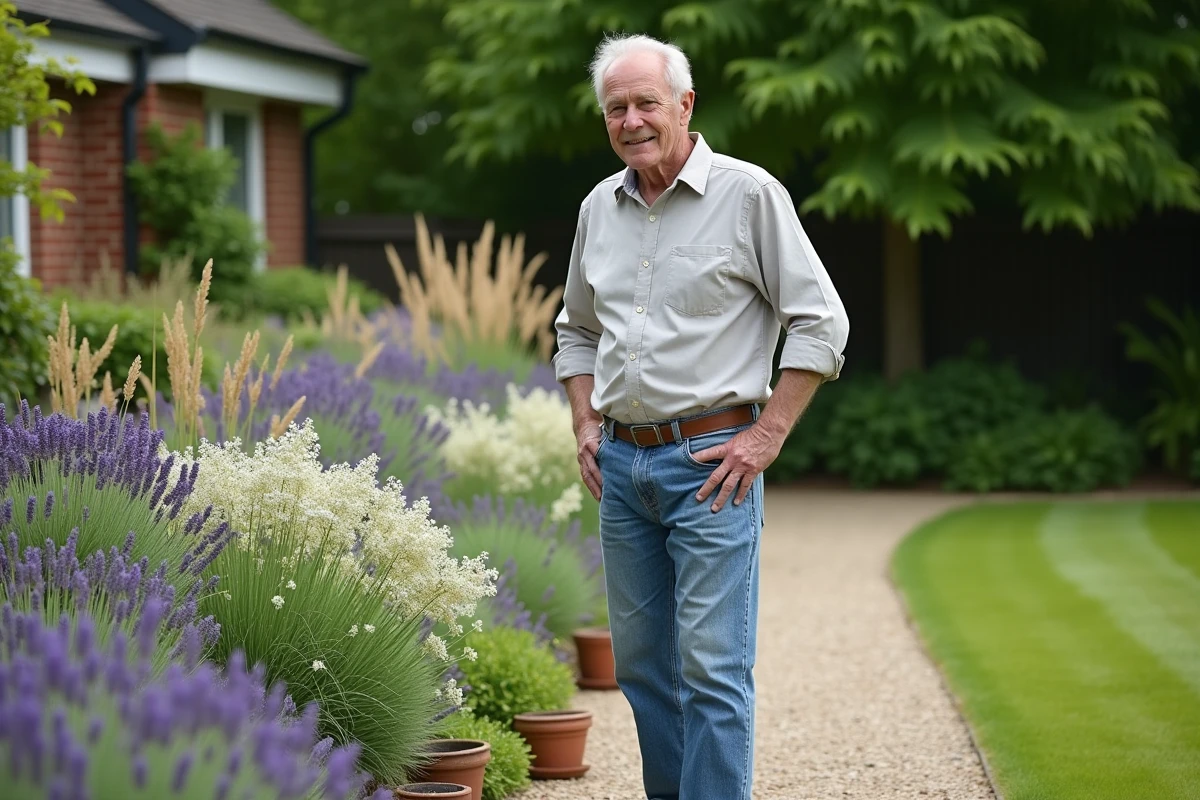
Practical tips for successfully maintaining and cohabiting lavender with its companion plants
For the association of lavender and other plants to fulfill its promises, it is essential to first understand the needs of each species. Lavender, true to its Mediterranean origins, requires a well-draining, light, calcareous soil. In heavy or clayey soil, it struggles: simply incorporating sand or gravel can lighten the earth. If the soil is too acidic, an amendment with lime or dolomite can set things right.
Location also plays a role. Plant lavender in full sun, away from shaded areas cast by large shrubs. The more abundant the light, the more generous the flowering and concentrated the essential oils. As for watering: moderation is key. In the ground, spaced watering is sufficient due to its drought resistance. On a balcony or in pots, drainage must be impeccable: poor soil, light compost in spring, minimal fertilization.
After flowering, a hard pruning is necessary to maintain a compact, flowering, and vigorous lavender. This operation stimulates regrowth and prevents premature aging. For good cohabitation, it is better to group perennial plants with similar needs: rosemary, thyme, santolina, perennial geranium. Allow enough space between each plant to limit root competition and enable each plant to develop without constraint.
When the climate turns harsh, lavender adapts as well: it thrives in pots, sheltered in winter, or even under LED lights indoors if light is scarce. This way, you can enjoy its fragrance and flowers, even far from the southern lands.
As lavender blooms among its allies, the entire garden is transformed: lively, balanced, ready to welcome the beautiful season and its winged visitors.