
According to the Crédit Logement/CSA Observatory, one in two loan applications is rejected in 2023, despite historically low interest rates the previous year. Rental platforms have seen their number of applications triple since the health crisis, complicating the selection of files.
Traditional agencies no longer hold the monopoly: the market has recorded an 18% growth in transactions carried out through alternative players, such as neo-agencies or digital portals, in just two years. Rent control in certain metropolitan areas imposes new trade-offs for all stakeholders.
Why the real estate market is evolving in response to the new needs of buyers and renters
The real estate sector in France is undergoing a profound transformation. Accelerated digitalization, rising expectations from buyers and renters: in cities like Paris, Lyon, or Bordeaux, practices are being reinvented. PropTech players are taking up the subject, bringing to market solutions designed for everyone, both individuals and professionals. Automated valuation, paperless management, tailored support: every step of the project now finds its dedicated tool.
Public initiatives, such as the housing recovery plan or the Pinel law, encourage the diversification of asset strategies and stimulate rental investment. In the face of rapid price fluctuations and unrelenting competition, landlords, investors, and future buyers are seeking new levers. French PropTech startups are innovating, bringing along predictive analytics, collaborative platforms, and digital management, which are gradually becoming standards for those looking to buy or rent more efficiently.
For those who want to understand the changes and move forward without being overwhelmed, a must-visit: discover Alias Immo and its real estate solutions. Digital technology is no longer just about searching for properties: it redefines the entire journey, from advice to valuation, for a real estate experience free from the burdens of the past.
What innovations are concretely transforming the buying or renting experience?
The emergence of artificial intelligence in the real estate journey is no passing trend. Search, valuation, management: algorithms sort listings, provide tailored recommendations, and anticipate market trends. Automation doesn’t stop at property valuation: it optimizes rental management, candidate selection, and ad distribution. Intelligent chatbots are changing the game: response times shrink, processes flow smoothly, and financing advice arrives at the right moment.
Visiting an apartment in Paris or a commercial space in Lyon without leaving home? This is now common thanks to 3D modeling and virtual tours. Drones and augmented reality enhance the experience: projecting renovations, assessing potential, inspecting roofs remotely. Processes are simplified: scheduling appointments, organizing visits, electronic signatures, tracking loan or rental-purchase files, everything is centralized on new platforms.
Blockchain and tokenization are shaking up access to property and investment. Fractional ownership, securing transactions, simplifying rights management: solutions once reserved for a minority are becoming democratized. Real estate crowdfunding is attracting more and more investors and project owners: risk pooling, easier access to property, collaborative financing… New ways of imagining ownership, leasing, or credit are emerging.
Here are the main advancements that are changing the game for both individuals and professionals:
- Automated search and tailored recommendations thanks to artificial intelligence
- Virtual tours and 3D modeling to discover properties remotely
- Digital management of financing, leases, renovations, and tax aspects
- Investment facilitated by tokenization and crowdfunding
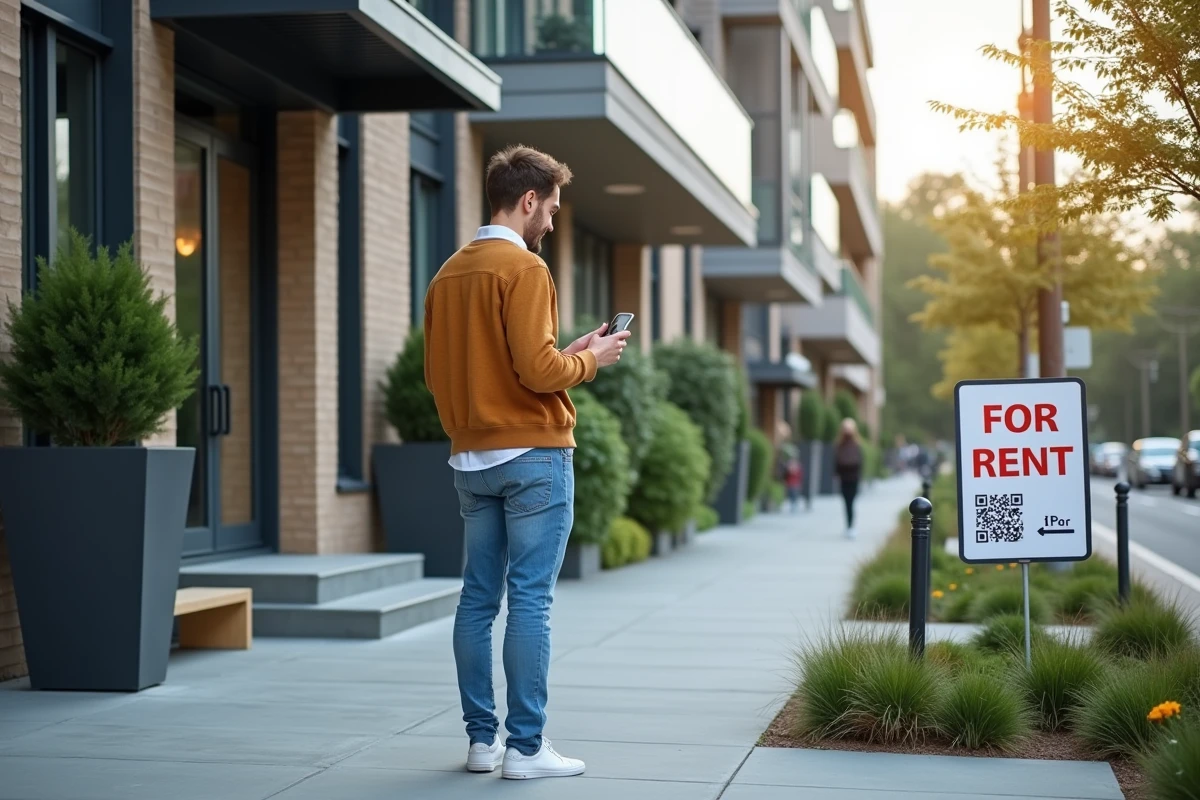
Focus on digital and collaborative solutions that simplify every step of your project
Property management is changing its face, driven by a new generation of applications and platforms. Landlords benefit from smoother outsourced management: tracking rents, alerts for unpaid rents, automated receipts, everything converges towards centralized supervision of the landlord-tenant relationship. In major cities, management is no longer limited to rent collection: it includes oversight of renovations, income declaration, and even optimization of furnished rental status (LMNP).
The visibility of listings improves thanks to unique interfaces that broadcast across multiple portals at no extra cost. Visits, applications, everything is managed online, supported by artificial intelligence tools that assist in file selection and provide personalized recommendations. In metropolitan areas, virtual tours have become a key step, speeding up decision-making and reducing unnecessary travel.
On the rental investment side, digital tools aggregate market data, compare schemes (Pinel, micro BIC, real regime), simulate profitability and cash flow, while integrating energy renovation management. Even condominium management is modernizing, thanks to collaborative platforms that simplify communication between co-owners, access to documents, and planning of technical interventions.
To illustrate these developments, here are the essential features that make life easier for users:
- Automated and centralized rental management
- Ad distribution, visit organization, and intelligent analysis of applications
- Simulation and management tools for rental investment
- Collaborative platforms dedicated to condominium management
The real estate sector is fully embracing these innovations that once seemed like science fiction. The next visit could very well be done with a click, and the next acquisition could be decided from your living room.