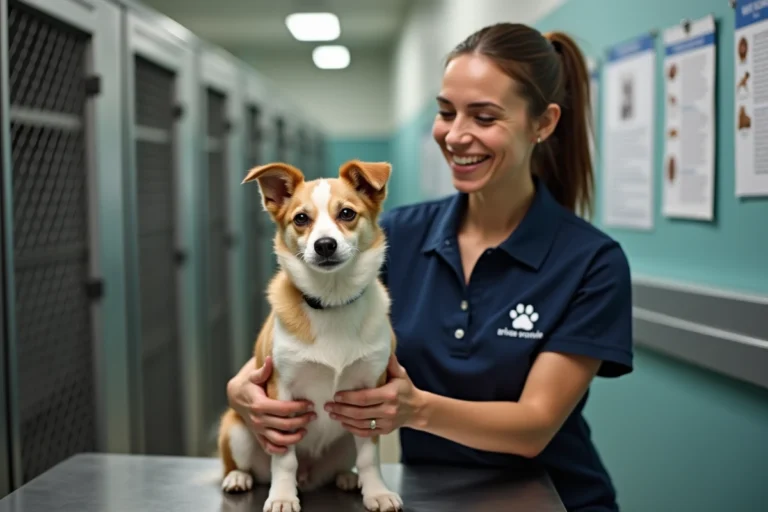
D’clic Lab refers to a fablab, that is to say, a manufacturing workshop open to the public, run by the association Les Petits Débrouillards. Its primary purpose: to enable anyone, regardless of their technical background, to engage with scientific and digital culture through practice. The space also functions as a user laboratory where local associations, citizen collectives, and educational structures come to test rapid prototyping methods.
Fablab and user laboratory: two complementary functions
A classic fablab provides machines (3D printers, laser cutters, CNC milling machines) and a collaborative space. D’clic Lab goes further by integrating a dimension of social innovation and ecological transition. Local associations experiment with concrete solutions for their field projects and then leave with directly usable resources.
This dual role, as a manufacturing workshop and a social experimentation laboratory, distinguishes the space from a simple high-tech tinkering area. The Durance-Luberon-Verdon community presents D’clic Lab as a lever for local innovation, linked to a territorial strategy that connects businesses, schools, and the associative fabric.
The online presentation of D’clic Lab details all the digital services offered by the structure, from prototyping to project support.
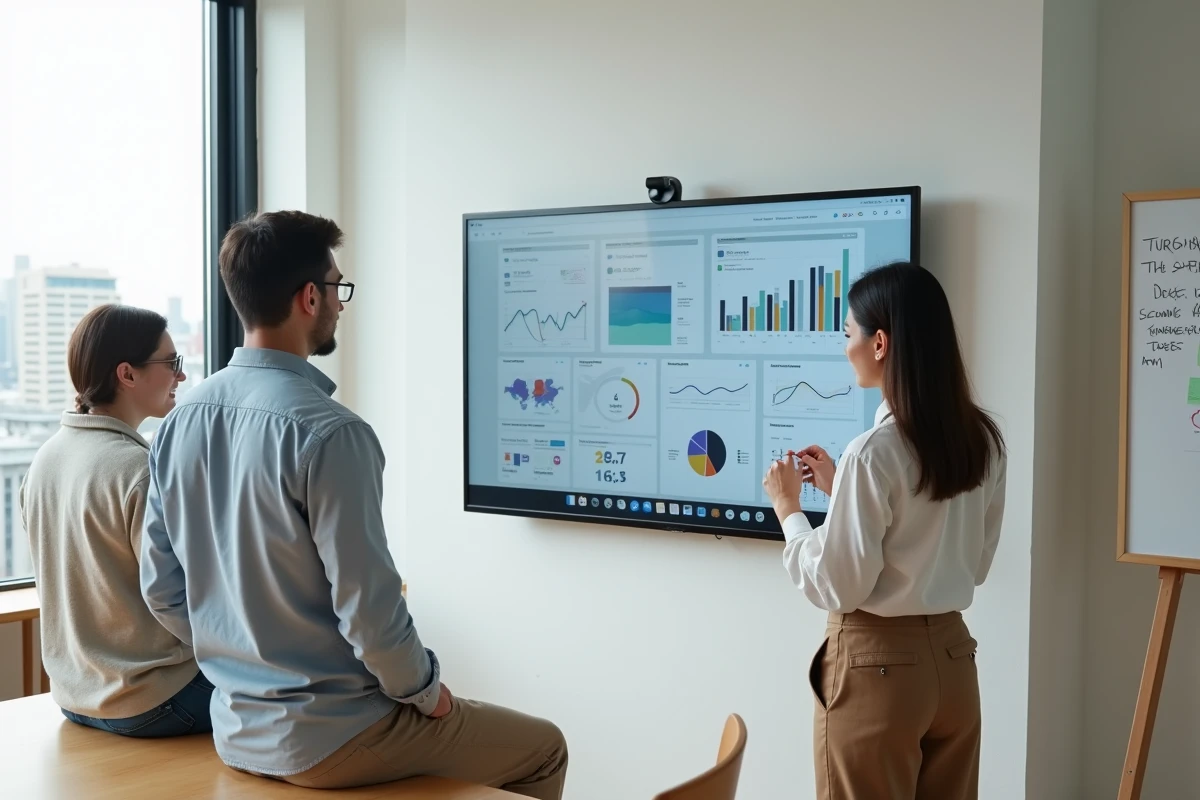
Digital solutions offered by D’clic Lab: prototyping, mediation, support
The term “digital solutions” encompasses three distinct areas that a project leader must understand before entering the lab.
Rapid prototyping and digital fabrication
Rapid prototyping involves transforming an idea into a functional physical object in a few hours or days. D’clic Lab provides the machines and, most importantly, human support to guide beginners in 3D modeling, material selection, or cutting settings.
The approach remains accessible: there is no need to master CAD software to get started. Introductory workshops allow for gradual skill development.
Scientific and digital mediation
The facilitation by Les Petits Débrouillards anchors the fablab in a culture of scientific mediation. The workshops aim not only at producing objects but also at understanding the underlying technical principles. This pedagogical approach targets children, families, and adults in career transition.
Support for associative and citizen projects
Local structures use the lab as a real-world testing space. The process follows a simple logic:
- Definition of the need with the lab team (what problem to solve, for which audience)
- Prototyping a first functional version with the tools available on-site
- Iteration and adjustment based on user feedback collected from beneficiaries
This short cycle allows associations to validate an idea before committing more substantial resources.
Open source platform Fab-manager: management and access to the lab
D’clic Lab relies on Fab-manager, an open source platform designed to manage fablabs. This tool handles machine bookings, membership tracking, invoicing, and documentation of completed projects.
The choice of an open source solution has several concrete implications. The code is auditable and modifiable by the community, ensuring independence from a proprietary publisher. User data remains under the control of the structure. And the licensing cost is zero, an important factor for an association.
Fab-manager also centralizes the online visibility of the lab: machine catalog, workshop schedule, project gallery. For a visitor discovering the space remotely, this interface serves as the first operational point of contact.

Territorial anchoring and public policy for local innovation
A fablab does not operate in isolation. D’clic Lab derives its relevance from its integration into a public policy of territorial innovation. The community does not fund it as a simple cultural facility: it positions it as a link between the local economy, education, and citizen initiatives.
This connection with local authorities changes the nature of the projects hosted. The lab is not limited to individual achievements (a 3D printed spare part, an electronic case for a hobby). It hosts projects with a collective purpose:
- Educational tools for schools in the area
- Prototypes of devices related to ecological transition led by local collectives
- Communication or mediation materials for associations lacking internal digital skills
This territorial dimension explains why D’clic Lab presents itself as a third place for social innovation rather than a traditional manufacturing workshop. The term “third place” refers to a space that is neither home nor work, but a hybrid place where various uses intersect.
What distinguishes D’clic Lab from a traditional digital service provider
A digital service provider (web agency, creative studio, IT services company) sells a finished deliverable to a client. D’clic Lab operates on an inverse model: the project leader actively participates in the fabrication. The lab team transfers skills rather than delivering a turnkey product.
This logic of skill development is particularly suited to small associative structures or collectives that do not have the budget for an external provider but have time and motivation. The result may not always be as polished as a professional service, but it is fully controlled by those who will use it.
The economic model is based on membership and participation in workshops, not on selling services. This distinction guides the entire operation: the lab has no commercial interest in extending support beyond what is necessary.
D’clic Lab occupies a specific niche in the local digital landscape. Neither a school, nor an agency, nor a simple workshop, the structure combines scientific mediation, prototyping, and support for territorial projects in an open model. For project leaders looking for an experimental framework before scaling up, this type of third place remains an underutilized resource.