
Excessive watering is more harmful to plants than a lack of water, especially in clay soil. Universal fertilizers, widely used, are not suitable for all species and can disrupt growth. The lunar calendar, often mentioned, does not guarantee any scientifically proven results but continues to influence many seasoned gardeners. Each season imposes different choices in terms of maintenance, sometimes contrary to established habits. Weeds, ignored in winter, gain ground as soon as the first warm spells arrive, while late pruning of shrubs can compromise their flowering.
What each season changes in your garden: understanding to act better
A garden never repeats itself exactly. From one month to another, rhythms reverse, vitality fluctuates, and challenges change. It is therefore impossible to stick to simple automatic gestures or rigid routines. Spring illustrates this perfectly: the soil aerates, the flower beds require meticulous cleaning, the lawn needs scarifying, and young plants seek their place. It is the return of colors, the awakening of trees and perennials, and an opportunity to observe how this renewal guides our interventions.
Then summer settles in, with different priorities. Watering takes precedence, the heat imposes its law, and pests always make their appearance. Mowing must be done more frequently, overgrown areas need trimming, vulnerable plants must be protected, and every sign of drought monitored. Every action counts: properly dosing water, providing shade, adjusting details—this is what builds a robust garden in the face of climatic extremes.
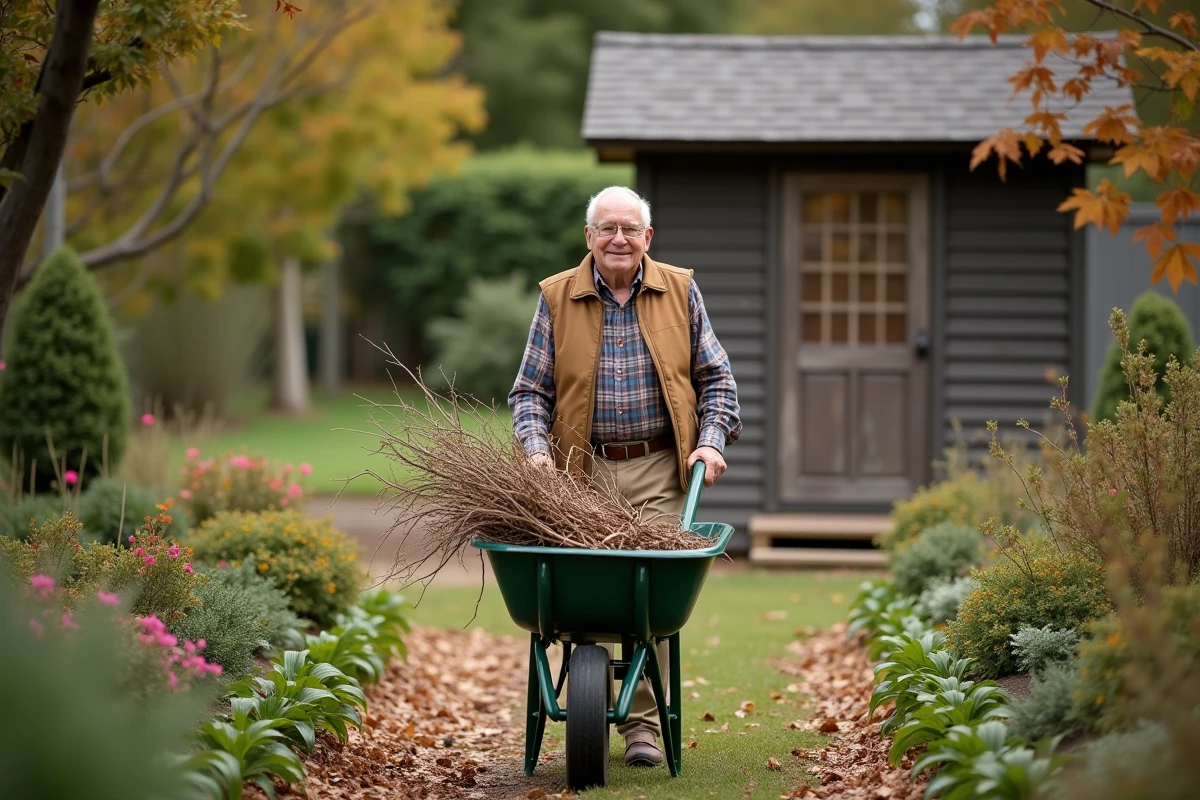
When autumn arrives, nature slows down. It is then necessary to collect dead leaves, protect sensitive plants, and prepare the flower beds for the cold period. We improve the soil with organic matter, compost, mulch, and we focus on the fruiting of fruit trees, far too often neglected once the harvest is complete. The landscaping takes on another face: that of anticipating rest.
In winter, the garden appears frozen, but everything hinges on preparation. Pruning certain trees, protecting against frost, and paying attention to the most vulnerable subjects already usher in the next season. At this stage, refining gestures and cross-referencing recommendations allows for progress. To explore techniques suited to each stage and deepen your maintenance plan, see the Jardiniers info website: many tips are shared there, accessible throughout the months.
What essential gestures to prioritize for effective maintenance all year round?
Organization is the foundation of effective maintenance. Designing a maintenance calendar that outlines pruning, fertilization, weeding sessions, and health monitoring ensures that each task has its rightful place in the garden cycle. This method avoids the accumulation of delays and gives real strength to your green space.
Watering also requires precision and adaptation: taking into account the weather, soil type, and the specific needs of each plant. Installing an automatic irrigation system coupled with a rainwater collector lightens the load and limits resource depletion. Watering early in the morning or in the evening is preferable to limit excessive evaporation.
Never neglect mulching: it protects the soil surface, retains moisture, and prevents the proliferation of weeds. Favor mulch, dead leaves, or well-decomposed compost. Renew the mulch once a year to maximize its effects on the health and development of your plants.
If simplicity is appealing, prioritizing sustainability changes everything. Betting on perennial plants, grasses, or ground covers requires little maintenance and structures the flower beds. A low-maintenance vegetable garden finds its place with effective mulching and perennial vegetables. Equipping yourself with reliable gardening tools, a well-sharpened pruner, a sturdy rake, and comfortable gloves makes each intervention more effective without accumulating fatigue.
Resources and tips to go further in the design and management of your garden
Creating a space where nature and daily use intertwine requires reflection and strategy. Promoting biodiversity proves rewarding: integrating nectar-rich flowers into the flower beds, organizing crop rotation in the vegetable garden, thinking about shelters for local wildlife… These are all avenues to explore that enrich the garden as an ecosystem. Regarding layout and user comfort, a few ideas deserve special attention:
- Create a pathway with durable materials: natural stone, local gravel, or wood, to intelligently connect the terrace, vegetable garden, and flower beds, without sacrificing strength or aesthetics.
- For outdoor lighting, low-energy LED or solar lamps create a warm atmosphere as night falls, without increasing the electricity bill.
- Care for the longevity of garden furniture: store, protect, and cover to keep chairs and tables ready for the return of fine weather.
The amount to budget for a landscaping project depends on the selected materials, chosen plants, and introduced accessories. Surrounding yourself with an experienced landscaper helps shape ambitious projects. Otherwise, relying on specialized resources allows you to progress without missteps during each phase.
Planning, adjusting, refining: these are the gestures that lead to a balanced garden, resilient, enhancing the whole house. A green space is shaped over time, with attention to every detail, and the desire to share a vibrant setting. The garden is the place where one always starts anew, never tiring the eye.