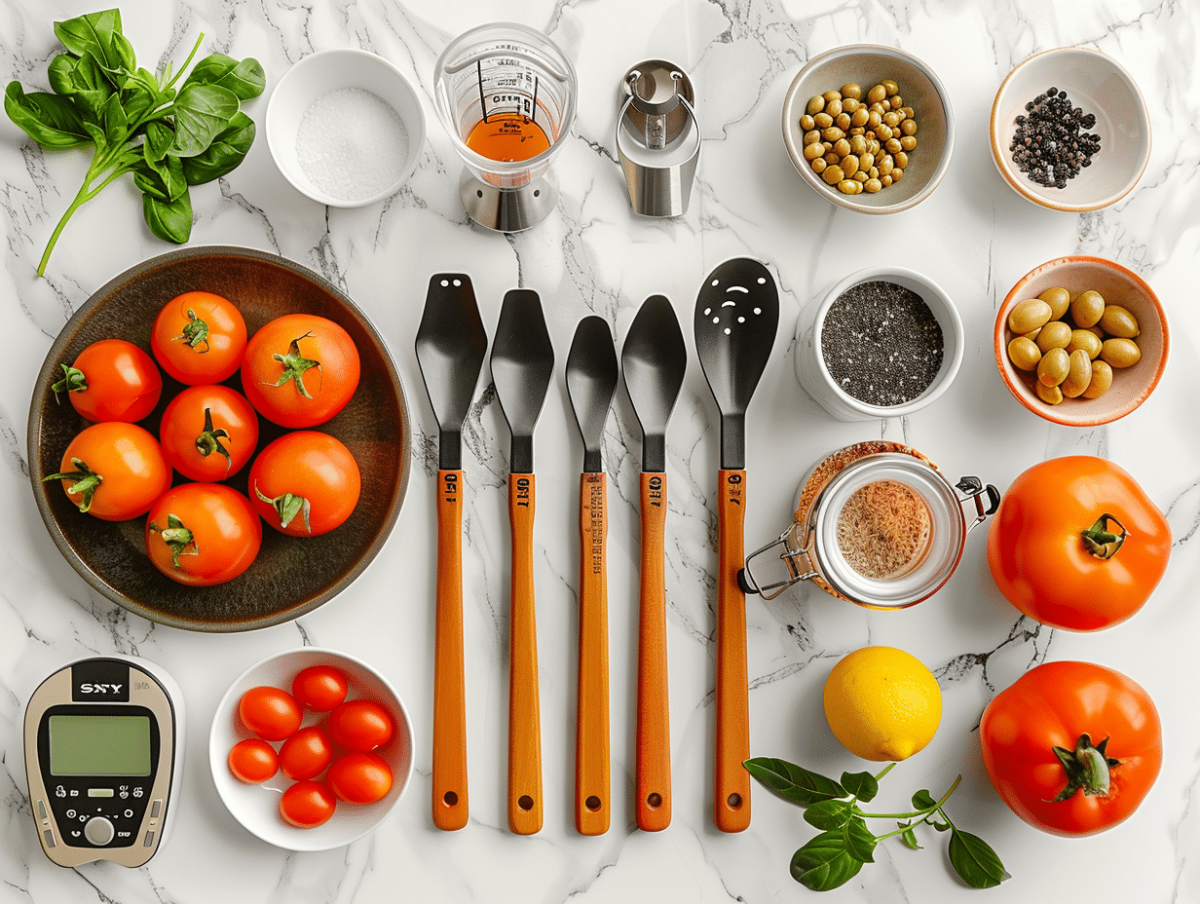
The conversion of measurements in cooking is often a source of confusion, especially when navigating between different systems like metric and imperial, or when following recipes from various origins. This skill is essential to ensure the success of culinary preparations and maintain fidelity to the original flavors. Even minimal variations in ingredient quantities can lead to notable differences in taste, texture, and appearance of dishes. Having tips and practical tools to make these conversions accurately is therefore an indispensable asset for any cooking enthusiast.
400 ml to l
Mastering measurement conversions for foolproof recipes
In the practice of gastronomy, precise mastery of conversions is essential. Take, for example, the conversion of volumes: understanding and memorizing that 1 centiliter (cl) is equivalent to 10 milliliters (ml) makes adjustments a breeze. If a recipe requires accuracy, knowing that 400 ml to l corresponds to 0.4 liters can be decisive.
The conversion of temperatures is also a critical point, especially when it comes to converting from Celsius to Fahrenheit. A good understanding of this conversion ensures that dishes are cooked to perfection, meeting expectations for textures and flavors. This skill is fundamental to avoid disappointing culinary results due to temperature errors.
Conversion tools, such as conversion charts, are valuable allies, simplifying the transition from cl to ml or vice versa. Their use helps avoid measurement errors that could compromise the integrity of a recipe. To succeed in the kitchen, knowledge and proper use of these conversion tools are essential.
The essentials of conversion in the kitchen: tools and tips
Knowing that each standard egg weighs around 50 grams or that the common teaspoon holds exactly 5 milliliters of liquid forms the foundation of successful cooking. These pieces of information, which might seem trivial, are actually the bedrock of flawless culinary execution. Consider these measurements as essential benchmarks for the proportion of ingredients, whether solid or liquid.
The use of conversion charts, such as the cl to ml conversion chart, proves to be an infallible method for juggling measurement units. These educational tools allow for quick and efficient translation of centiliters to milliliters and vice versa, providing unwavering precision when crafting various recipes.
For fans of steaming, the article ‘Steaming: recipes and tips’ on the MaSpatule website reveals valuable advice. It illustrates the importance of a good understanding of measurements and timing in the success of healthy and tasty dishes, where mastery of temperature and ingredient proportions is fundamental.
For more complex or less common conversions, apps and websites dedicated to measurement conversions in cooking offer valuable assistance. They allow users to adapt to a variety of scenarios, such as converting liquid volumes or accurately weighing cups of dry ingredients, without the need to memorize multiple formulas or equivalences.