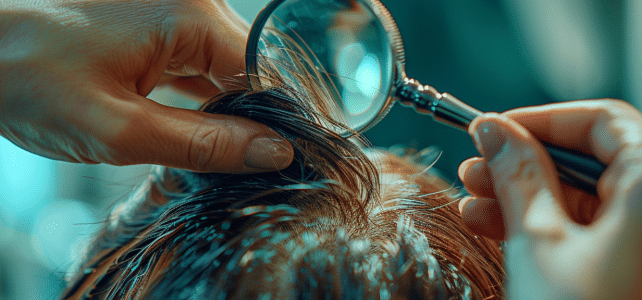
Hair parasites, such as head lice, are a common concern primarily affecting children in school settings, but they can also impact adults. Transmission often occurs through direct contact or by sharing personal items. Prevention relies on education about hygiene practices and daily vigilance. When an infestation occurs, treatments range from over-the-counter topical solutions to natural remedies, not to mention the importance of thorough combing. Managing the environment, such as washing sheets and clothing, is fundamental to avoid reinfestation. A proactive and informed approach is essential to tackle this public health dilemma.
Prevention of Hair Parasite Infestations: Strategies and Best Practices
Understanding the life cycle of hair parasites is a key step in their prevention. Lice, these parasites that feed on human blood, and their nits, the eggs carefully attached to the base of the hair, require constant vigilance. The Pediculus humanus capitis, the scientific name for head lice, finds refuge in the scalp, a suitable habitat for its development. Find ways to control this environment to prevent lice from settling in.
Education and good hygiene practices are essential to prevent infestation. Teach children to avoid sharing hats, brushes, or other personal items that facilitate the transmission of lice through direct contact. Raise their awareness of the importance of reporting any itching of the scalp, an early symptom of lice infestation.
Regular inspection with a lice comb, this essential tool for detecting lice and nits, should be part of family routines, especially after alerts of infestations in schools. A weekly check may be sufficient to prevent an outbreak by quickly identifying parasites before they multiply.
Infestation prevention can also rely on more specific strategies, such as repellent products or preventive treatments, provided they are used judiciously. Fleas and hair have no direct connection, but the idea that hair can serve as a habitat for various parasites encourages rigorous hair hygiene. Consider these practices as a protective shield against unwanted invasions of hair parasites.

Treatment of Hair Parasite Infestations: Methods and Recommendations
Choosing the appropriate treatment: In the face of a confirmed infestation, the variety of available treatments requires careful selection. Products containing dimethicone suffocate lice without resorting to chemical insecticides, offering a less aggressive alternative. Malathion, although powerful, requires special attention due to its insecticidal nature. Ivermectin, administered orally, proves effective in resistant cases but must be prescribed by a healthcare professional.
Natural approaches: For those who prefer gentler methods, essential oils present themselves as a natural treatment solution against lice, although their effectiveness should be evaluated on a case-by-case basis. Caution is advised, as some oils may be irritating or allergenic to the scalp.
Accompanying measures: Combine topical treatments with a 60° wash of textiles in contact with the head, such as pillowcases, hats, or scarves, to ensure complete decontamination. This simple action significantly reduces the risk of reinfestation by residual parasites.
Role of specialized institutes: For those seeking professional care, lice treatment centers offer comprehensive treatment services, combining expertise and the use of specific products. These establishments prove to be a valuable resource for families facing persistent infestations, where the advice and support of experts make a difference.