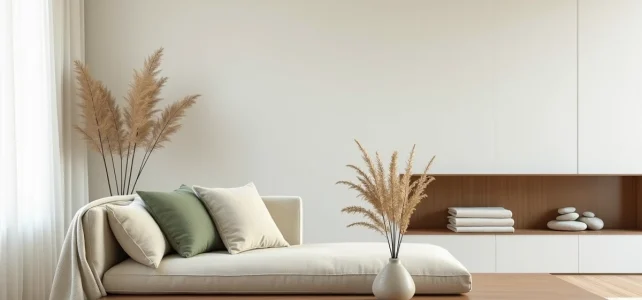
Zen decoration is not just about placing a Buddha on a shelf and repainting the walls white. Recent research in environmental psychology points to an often-overlooked factor: domestic visual overload.
The American Psychological Association highlighted in 2023 a correlation between the number of competitive visual stimuli in a home (cables, power strips, logos, stacked objects) and an increase in perceived cognitive load. Creating a zen home therefore requires in-depth work on what is removed, as much as on what is added.
Visual stimuli and cognitive load: the real lever for a zen interior
Most decor guides recommend soft colors and minimalist furniture. These choices contribute to the atmosphere, but they are not enough if the visual field remains cluttered. A beige-walled living room loses all its calming effect when a white power strip overflows under the TV stand, three remote controls are left on the coffee table, and a laundry basket waits in a corner.
The principle to remember: reducing competitive visual stimuli takes precedence over color choices. Specifically, this means using closed storage rather than open, concealing cable runs behind furniture, and following a simple rule for every flat surface (table, console, shelf): no more than two or three visible objects.
Specialized resources compile room-by-room approaches to structure this work, such as the home page of Zen et Déco, which details well-being and style-oriented layouts.
Low VOC materials: the invisible dimension of zen
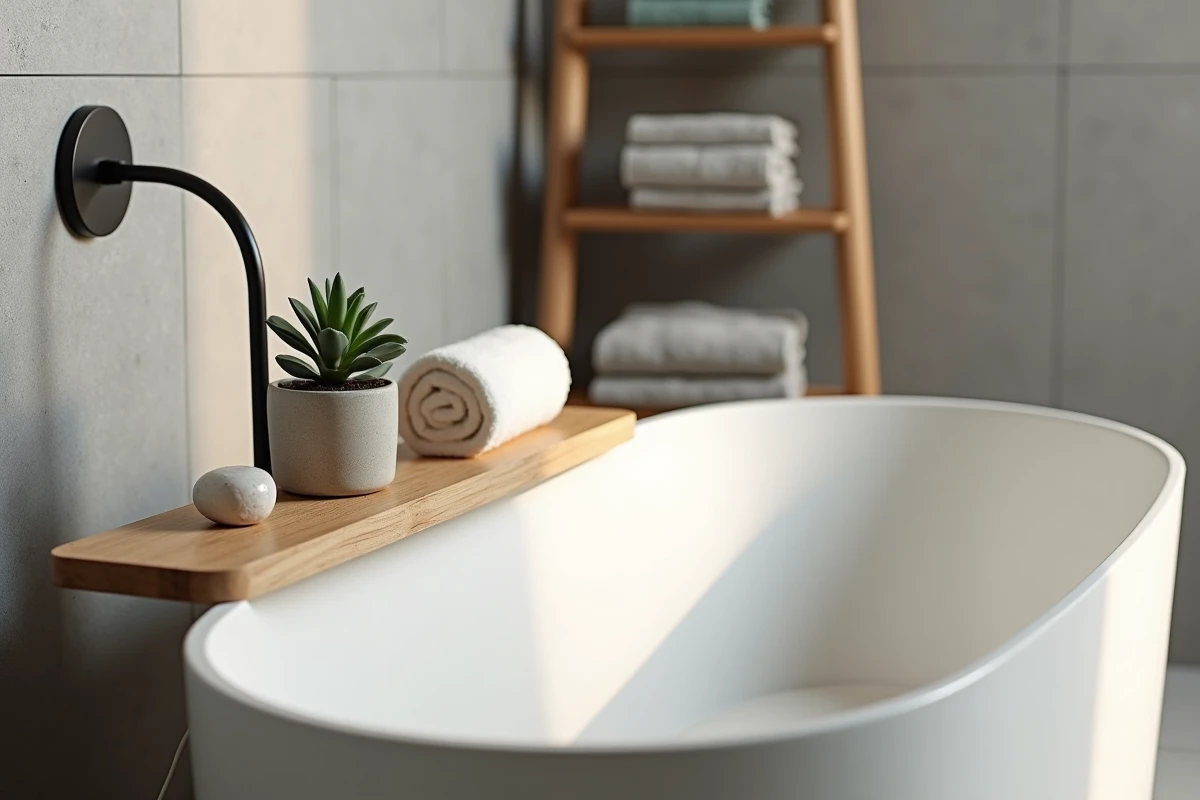
A rarely discussed point in zen decoration articles concerns indoor air quality. French regulations now require labeling of volatile organic compound (VOC) emissions on construction and decoration products. A+ rated paints, varnishes, and floor coverings emit the least pollutants.
This criterion directly aligns with zen philosophy: healthy indoor air contributes to a sense of calm just as much as a soothing color palette. Mineral paints (based on lime or silicate), clay plasters, and natural wood oils offer concrete alternatives to conventional finishes.
Floor and wall coverings: coherent choices
Solid wood or cork, provided their VOC rating is checked, bring visual warmth and pleasant texture underfoot. For walls, a clay troweled plaster absorbs moisture and naturally regulates the room’s atmosphere. These materials age well, avoiding the frequent renovation cycle that is not compatible with a long-lasting interior.
Programmable soft lighting: going beyond the simple bedside lamp
The Pinterest Predicts 2024 report notes a marked increase in searches around programmable lighting in wellness spaces. Light is the most underestimated lever for a zen atmosphere, and also the least expensive to modify.
Three principles guide functional zen lighting:
- Multiply indirect sources (wall sconces directed towards the ceiling, LED strips behind furniture) rather than relying on a central ceiling fixture that flattens the volumes
- Use bulbs with variable color temperatures, adjustable between neutral white in the morning and warm white in the evening, to support the circadian rhythm
- Eliminate distracting light points at night (power strip night lights, standby LEDs) by using power strips with switches or adhesive covers
Indirect and programmable lighting transforms the ambiance more than a change in wall color. The cost remains moderate: a few meters of LED strip and two or three connected bulbs are enough for a standard living space.
Breathing zones in the home: thinking about empty space
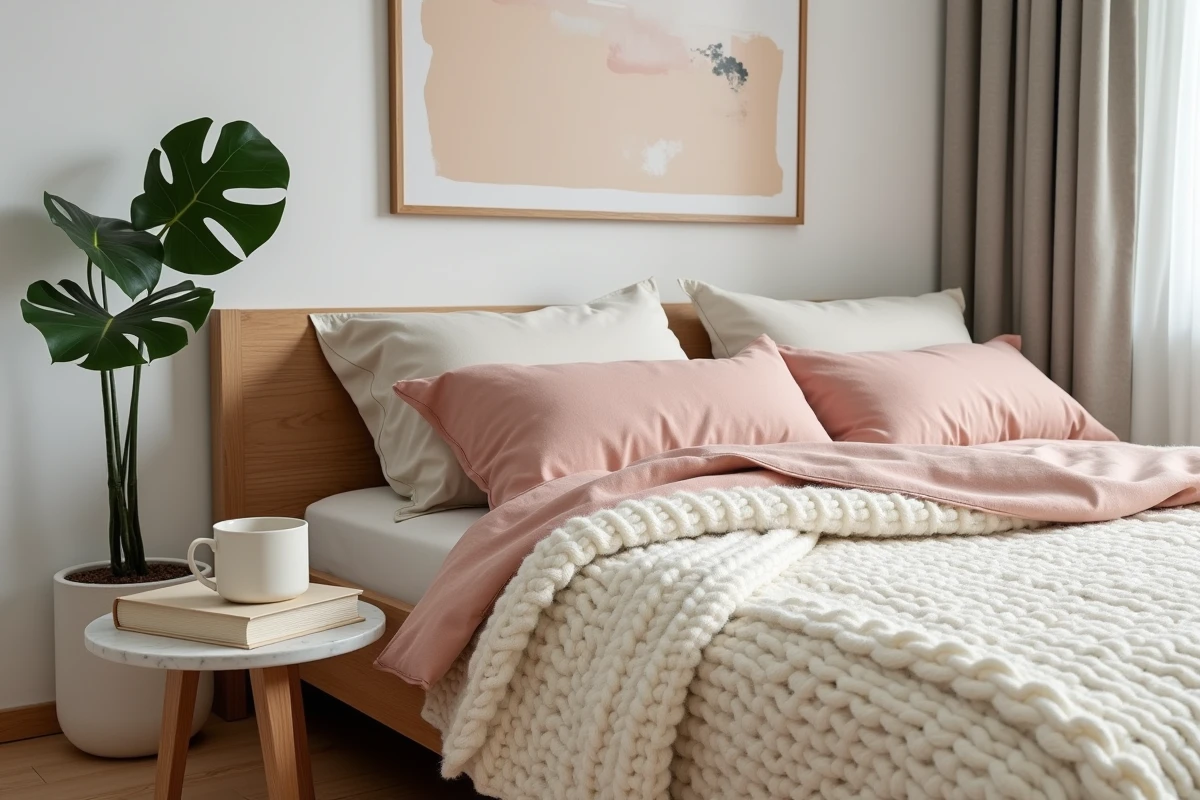
The Pinterest Predicts 2024 report also highlights the rise in searches for “breathing zones” in the home, spaces intentionally left free of furniture and objects. This is not a decorative concept: it is a design decision that requires resisting the urge to fill every square meter.
How to create a meditation or reading nook without buying dedicated furniture
A cleared corner of a room, a thick floor cushion, and a source of soft light are enough. The elements to gather:
- A comfortable floor (natural fiber rug, tatami, or simply a folded blanket)
- A clear wall, without frames or shelves, that allows the gaze to settle without stimulation
- A single medium-sized green plant that brings life without cluttering the visual field
- No visible electronic devices in this area
Empty space is not wasted space, it is the condition for the rest of the decoration to produce the desired effect. A zen interior is not measured by the number of removed furniture pieces, but by the visual clarity achieved in passage and resting areas.
The trap of “decorative zen”
Accumulating zen-branded objects (miniature fountains, diffusers, scented candles, decorative pebbles) amounts to replacing one type of clutter with another. Each object added to the visual field increases cognitive load, even if it evokes serenity. It is better to have a single carefully chosen element than a collection of soothing symbols that end up saturating the space.
The most effective zen decoration is that which goes unnoticed. A truly calming interior is recognized by the tranquility it provides, not by the objects that compose it. Starting with a visual audit room by room, photographing each angle to identify areas of overload, remains the most reliable method before any purchase of furniture or decoration.