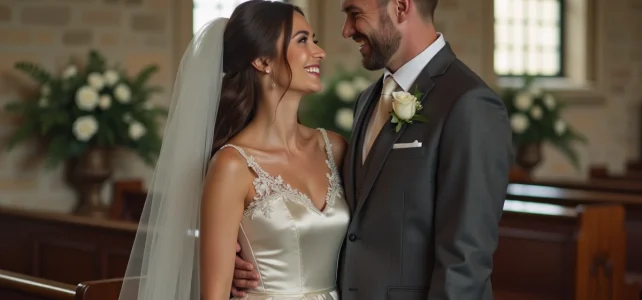
A wedding is often planned for months, sometimes over a year. Yet, the success of this day does not depend on decorative details or the number of guests. It relies on the couple’s ability to create a celebration that reflects them, fits within their budget, and lays the foundation for a solid shared life.
Wedding Budget: Set a Framework Before Dreaming
Before choosing a venue, a dress, or a caterer, the first decision concerns money. Have you noticed that ideas accumulate much faster than the means to finance them? This is exactly where tensions arise, often between the two families.
Defining a global budget before any bookings prevents you from getting caught in a spiral of uncontrolled spending. List the main items: venue, caterer, attire for the couple, photographer, music. Assign a maximum envelope to each.
The classic trap is to finance a “dream” item (the dream venue, for example) by cutting back on everything else. The result: a magnificent reception with a disappointing meal or an improvised musical atmosphere. It’s better to have a coherent whole than a single spectacular element surrounded by frustrating compromises.
When preparing your wedding, everything you need to know about Passion Mariage allows you to compare options and identify areas where realistic savings are possible without sacrificing quality.
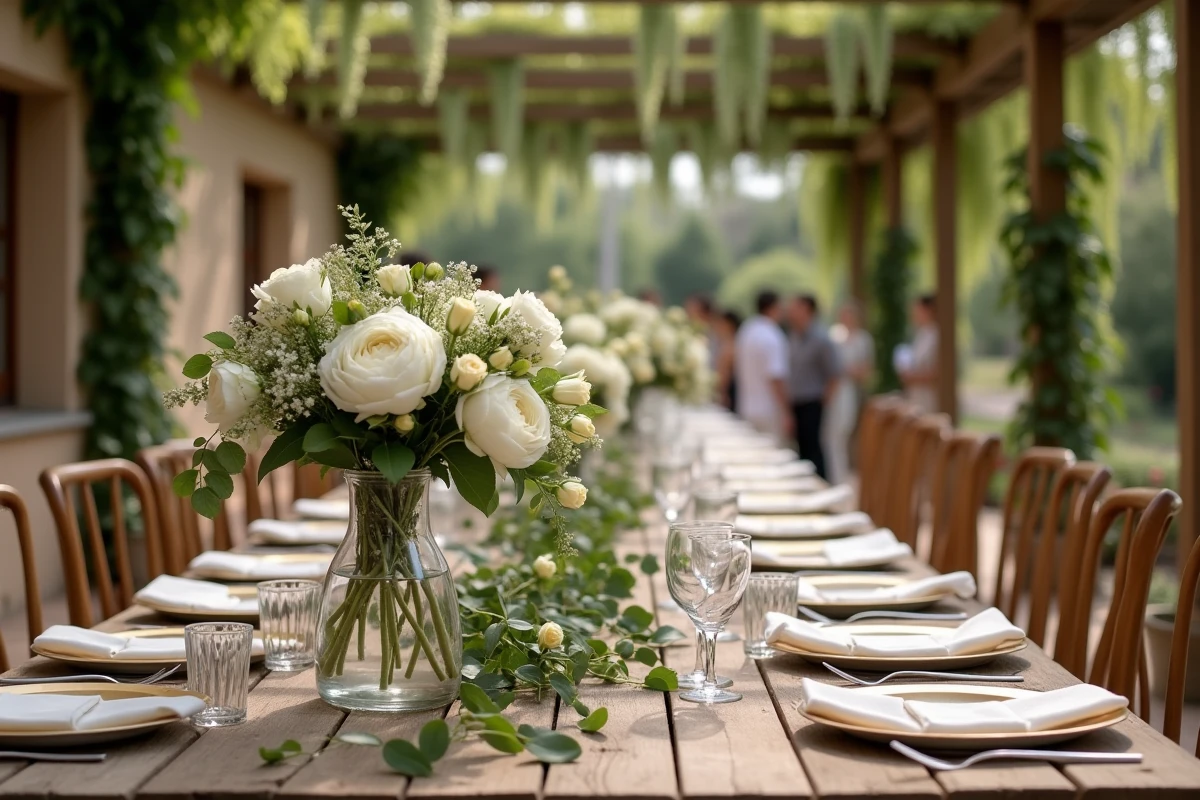
Family Expectations and Marriage: Protecting the Couple’s Choices
This is a topic rarely discussed in traditional guides, yet it generates the most stress. Parents, in-laws, witnesses, and close friends all have a vision of what your wedding should be. Some express it politely, others insistently.
Identifying Real Pressures
Why does this topic deserve so much attention? Because a couple that gives in on fundamental choices (the type of ceremony, the guest list, the venue) to satisfy their surroundings risks experiencing their own wedding as a show organized for others.
A wedding that reflects you does not mean ignoring your surroundings, but rather setting clear boundaries. For example: accepting suggestions on table decoration while refusing to impose guests you do not know.
Managing the Guest List Without Conflict
The guest list is the most sensitive negotiation ground. Each family wants to add names, and the total quickly rises. A simple method works:
- Set a maximum number of guests based on the venue’s capacity and the catering budget, not on individual desires
- Divide this number between the two families and the couple’s circle of friends, with a clear quota for each group
- Keep a few extra spots for last-minute additions, but never exceed the initial cap
This approach transforms an emotional discussion into concrete arbitration. The number of guests determines the majority of the budget, not the other way around.
Organization of the Big Day: What Really Matters for the Ceremony
Once the framework is set (budget, guests, venue), practical organization becomes smoother. However, a common reflex is to want to control everything, every minute, every detail. This is a source of exhaustion.
Focus your energy on a maximum of three elements that truly matter to you. For some couples, it will be the civil ceremony and the choice of texts. For others, the meal and the food-wine pairing. Others will bet everything on the music and the party.
The rest can be delegated. Your witnesses, a coordinator, or even an organized family member can manage the logistics of the big day: welcoming guests, coordinating with vendors, managing the schedule.

The Weather Backup Plan
If your reception is planned outdoors, a covered backup plan is not optional. Make sure the reception venue offers an equivalent indoor solution. A wedding in the rain without an alternative turns a festive day into a bitter memory.
After the Celebration: A Successful Wedding is Also Measured by What Follows
You may have noticed that wedding guides often stop the day after the celebration. The reality is that the quality of a wedding is assessed in the months that follow. Not just in the photos.
The decisions made during the planning reveal how the couple handles disagreements. Who had the final say on the budget? How did you decide in the face of conflicting demands? These arbitrations are a preview of shared life.
A couple that learns to negotiate, set boundaries together, and make conscious choices during wedding preparations acquires useful reflexes for the future. The wedding is not an end; it is a first joint project brought to completion.
The Perfection Trap
Something will go wrong on the big day. A delivery delay, a crackling microphone, a guest arriving early. Accepting the unexpected is part of success. The weddings that are best remembered are not those where everything was perfect, but those where the couple and guests navigated the unexpected together, in good spirits.
- Allow for extra time between each key moment (ceremony, cocktail, meal) to absorb delays
- Designate a trusted person as the point of contact for vendors on the big day
- Accept that some details will be beyond your control, and that no one else will notice them
The real secret to a successful wedding has nothing to do with decoration or cake choice. It lies in the couple’s ability to make choices together, resist external pressures, and keep in mind that this day is just the first chapter of a much longer story.