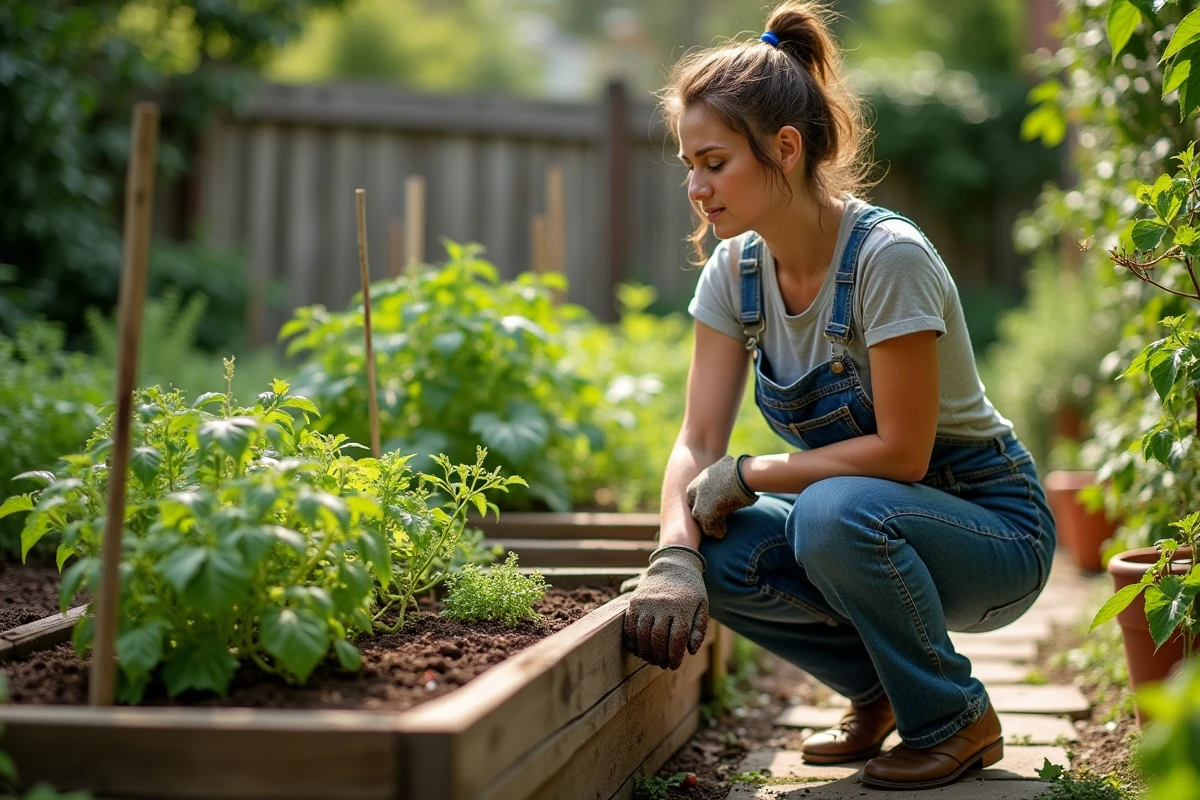
A mass of perennials that blooms in March and a vegetable garden that still produces vegetables in November is not just luck. It comes down to a few technical choices made at the right time. Crop rotation, soil preparation, water management: these levers, when combined, transform an ordinary garden into a productive space across four seasons.
Staggered sowing and late frost: adapting the calendar to the current climate
Have you noticed that your tulips are coming up earlier than they did ten years ago? It’s not just an impression. Feedback from gardeners in the French climate confirms a clear advancement in sowing and flowering dates since the mid-2010s. Tomatoes, zucchinis, annual flowers: sowing often occurs two to three weeks earlier than before.
The trap is late frost. A mild spring in March does not guarantee anything for April. Sowing too early without protection exposes young plants to a cold night that can wipe out an entire batch of sowings.
The solution is to stagger sowings in two waves. The first, under cover (cold frame, forcing cloth, or mini-greenhouse), takes advantage of the early warmth. The second, in open ground, waits until the risk of frost has passed. If the first wave survives, you gain several weeks of harvest. If it freezes, the second takes over without any net loss. To delve deeper into these calendars and find practical sheets suited to each season, a useful resource is: https://www.jardinews.com/.
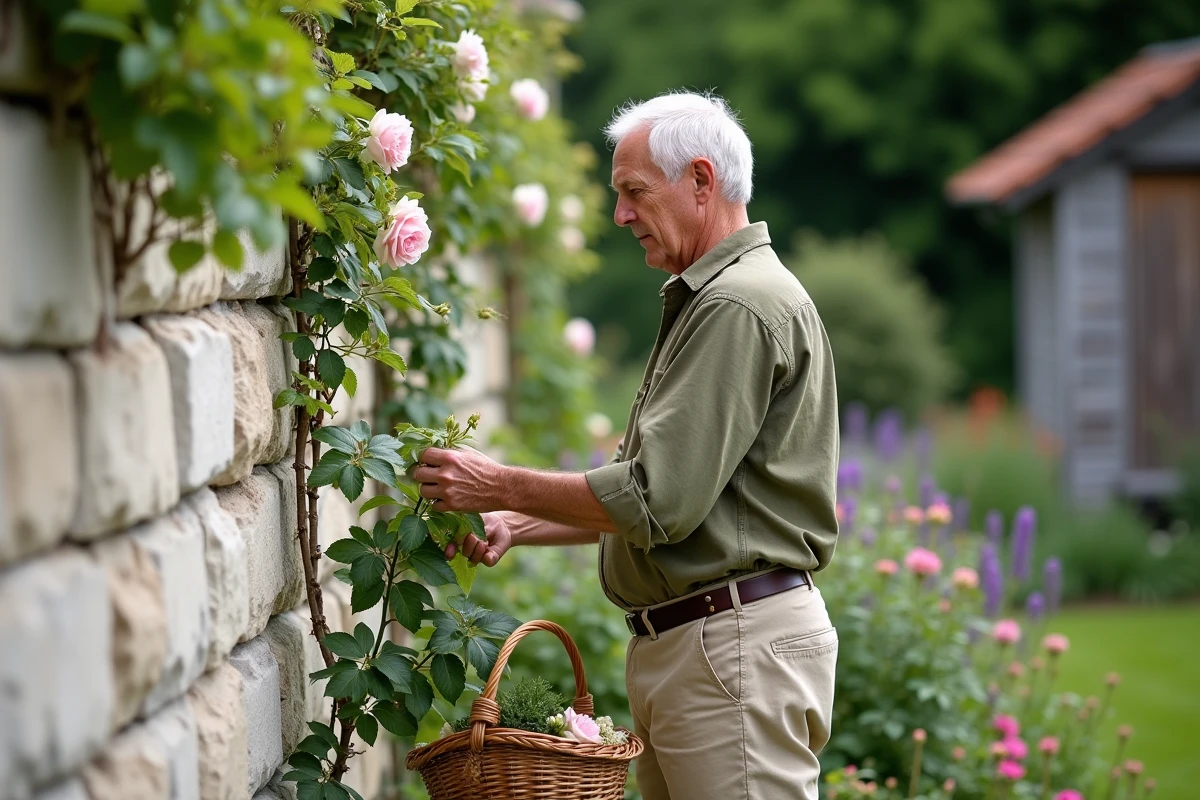
Living soil and homemade compost: the foundation of a productive vegetable garden
Quality potting soil is not enough to sustain a vegetable garden over time. What makes the difference is the biological life of the soil: earthworms, mycorrhizal fungi, bacteria that decompose organic matter and release nutrients for the roots.
Making balanced compost
Good compost mixes two-thirds carbon material and one-third nitrogen material. Dead leaves, brown cardboard, and straw provide carbon. Vegetable peels, coffee grounds, and grass clippings supply nitrogen.
Turn the pile every three to four weeks to aerate it. Well-managed compost is ready in four to six months. Spread in a layer of a few centimeters at the base of crops, it replaces commercial fertilizer and improves soil structure season after season.
Mulching as a supplement
Mulching the soil between vegetable plants and around flower beds slows down water evaporation, limits weed growth, and nourishes the soil as it decomposes. Wheat straw, shredded leaves, branch mulch: choose what you have on hand. A thick mulch retains moisture even in intense heat.
Water management in the garden: anticipating drought restrictions
In recent years, several major French cities (Paris, Lyon, Bordeaux among others) have tightened their regulations on garden water management during drought episodes. Hose watering may be prohibited in the height of summer, making rainwater harvesting and drip irrigation essential.
Why choose drip irrigation over spraying? Because water goes directly to the roots without wetting the foliage, which also reduces the risk of fungal diseases on crops like tomatoes or zucchinis.
- Install a rainwater collector connected to a downspout. Even a model of a few hundred liters can cover the watering of a small vegetable garden for several dry weeks.
- Schedule watering early in the morning, when evaporation is minimal and plants absorb best.
- Group crops according to their water needs: leafy vegetables (lettuces, spinach) together, fruiting vegetables (tomatoes, peppers) together, to dose each area separately.
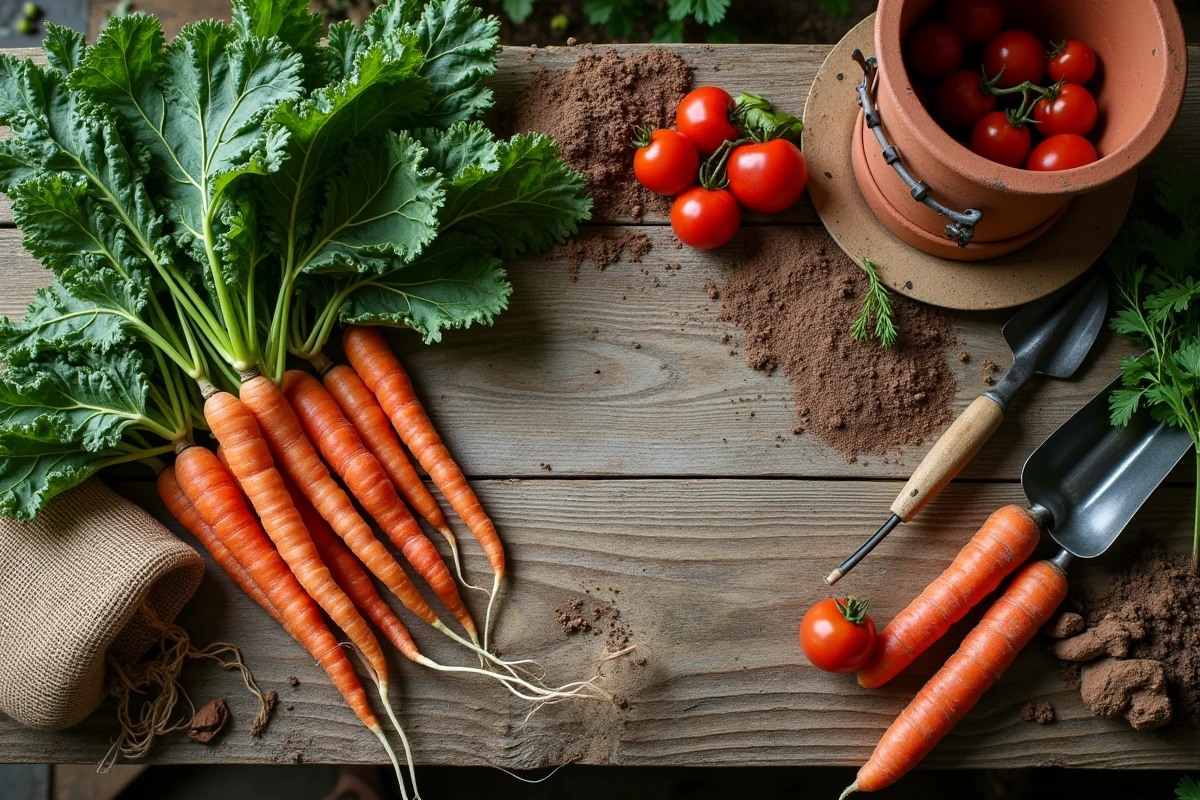
Diversification of species: stabilizing harvests throughout the year
Growing five or six varieties of vegetables exposes you to a simple risk: if the heat scorches the lettuces in July, there’s not much left to harvest. Trials conducted in private gardens and small organic market farms show that intensive diversification of the vegetable garden stabilizes yields throughout the year. The more associated species there are, the more losses from one crop are compensated by the success of other more tolerant species.
Beneficial plant associations
Combining flowers and vegetables is not just for decoration. Nasturtiums attract aphids away from beans. Marigolds repel certain soil nematodes. Aromatic herbs (basil, thyme, chives) disrupt pests with their scent while also serving in the kitchen.
- In the vegetable garden, alternate rows of vegetables with lines of flowering plants to attract pollinators.
- In autumn, sow green manures (mustard, phacelia) on freed plots: they protect the soil from leaching and enrich it with nitrogen once buried in spring.
- For a flowering exterior in winter, focus on hardy perennials like hellebores or heathers, which provide color when the vegetable garden is at rest.
Contributing to local biodiversity
Private gardens and urban vegetable gardens are increasingly integrated into citizen science programs. The Seasons Observatory or Vigie-Nature allow gardeners to report flowering dates, the appearance of insects, or the presence of birds. This data helps track biodiversity trends at the national level, and the feedback obtained refines your own planting decisions.
A productive vegetable garden and a flowering garden all year round rest on the same foundations: nourished soil, well-managed water, and a calendar adjusted to the climatic realities of your region. The rest is observation, season after season.