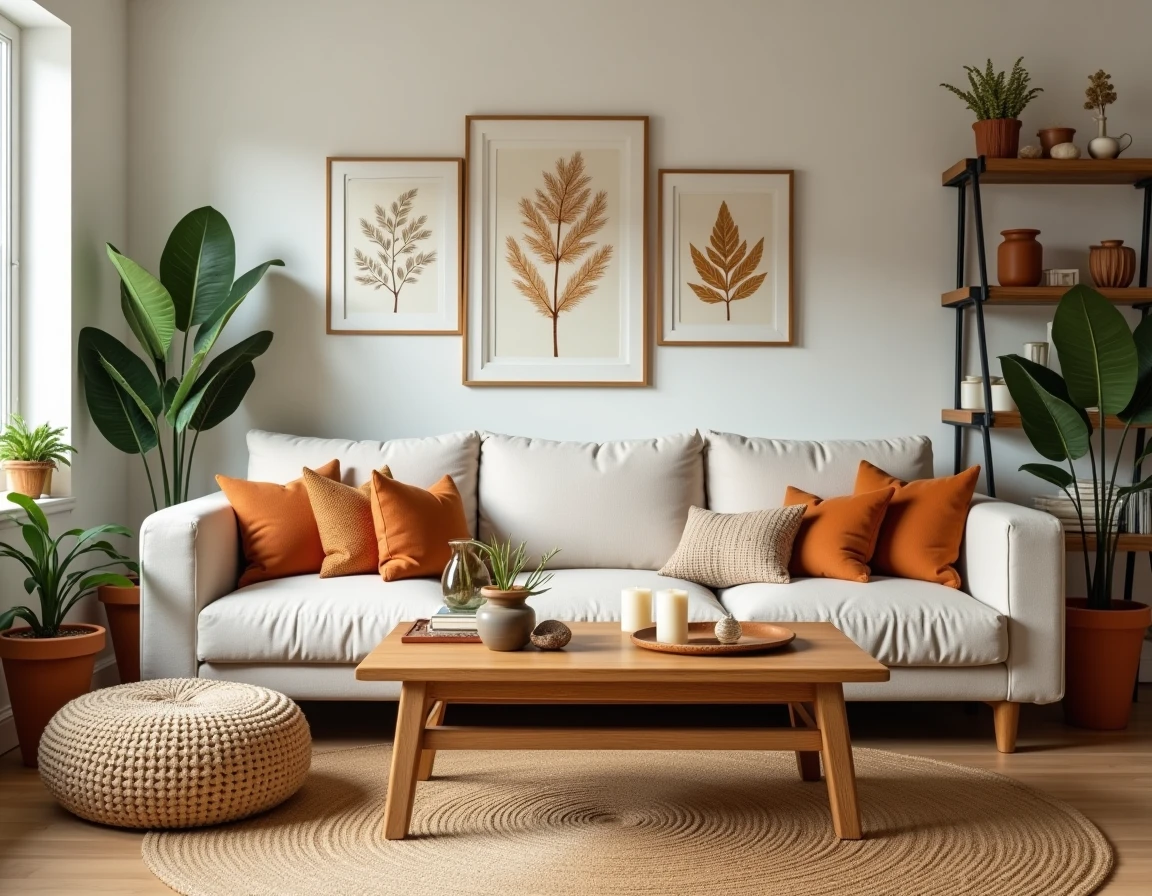
Transforming a house into a unique and warm space involves concrete choices of materials, light, and layout. Recent trends confirm a shift in expectations: standardized interiors are losing ground to more personal arrangements, where the history of objects and the modularity of spaces take precedence over novelty.
Inherited and Upcycled Objects: The Emotional Foundation of an Interior
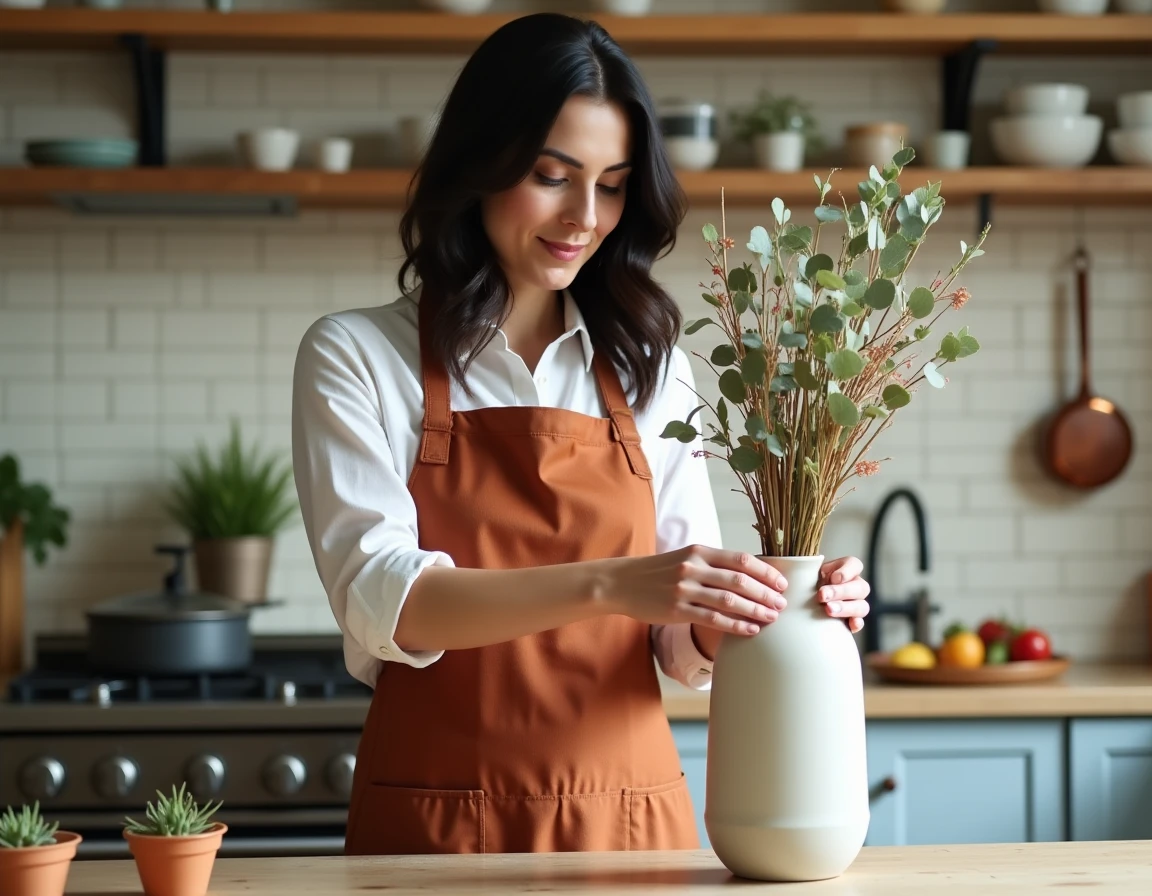
The character of a home often lies in the objects that carry a story. At the January 2024 Maison&Objet fair, the revaluation of repaired, patinated, and inherited objects was among the major themes, in response to overly uniform decors.
A vintage piece of furniture, a restored lamp, a frame salvaged from the family home: these elements introduce a visual contrast that new and coordinated furniture does not produce. The fair organizers speak of “emotional foundation” to describe an object’s ability to evoke a memory or lineage. On incroyablemaison.com, this logic of unique pieces that anchor an interior in its own identity is well documented.
Upcycling involves mixing eras and origins without seeking perfect coherence. A 1960s sideboard placed next to a contemporary sofa creates a contrast that catches the eye. The risk is accumulation: three or four strong pieces per living space are enough to define a room’s identity.
Biophilic Style: Integrating Plants Beyond Decorative Greenery
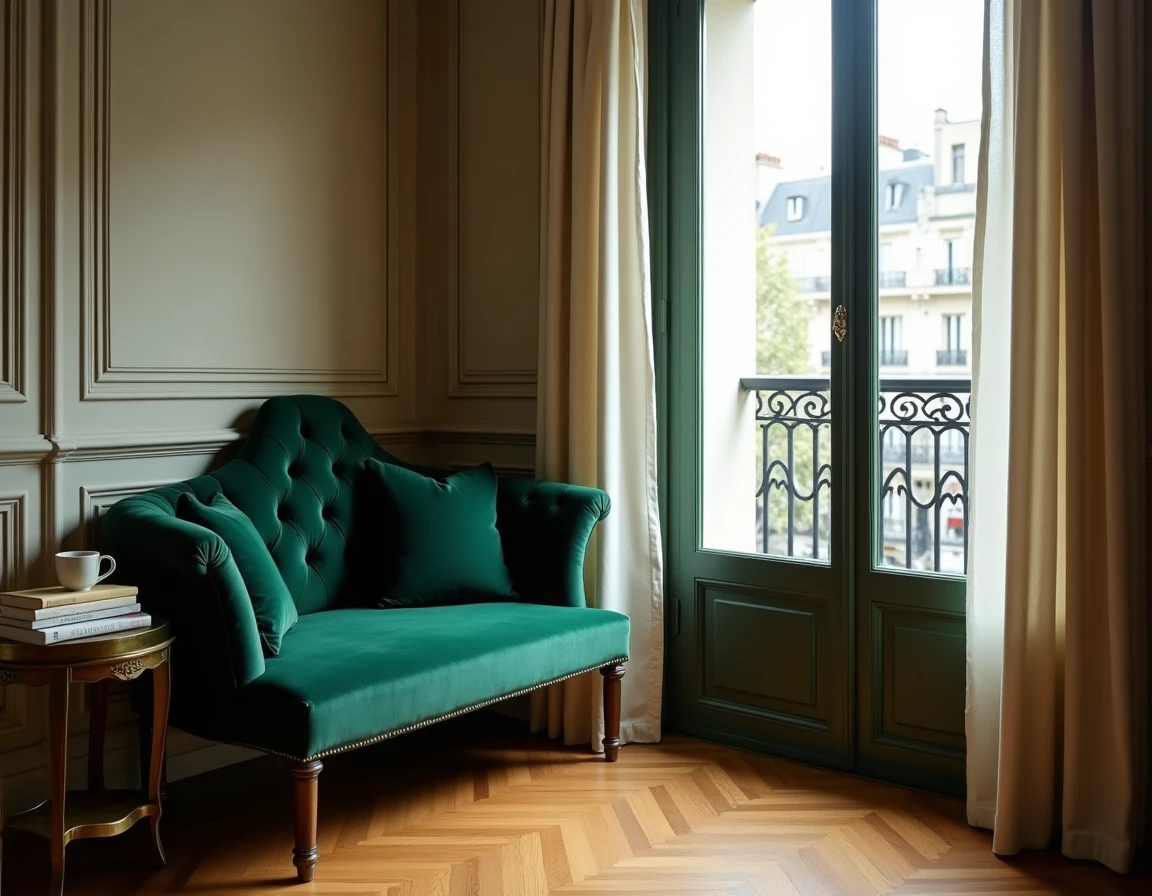
A ficus in a corner does not make for a warm interior. The biophilic style, which has been on the rise for several years, offers a more structural approach to the relationship with living elements. A perceived warm interior often relies on the presence of greenery, views of the outside, and natural materials.
The principle goes beyond decoration. Rethinking the relationship between interior and exterior involves maximizing openings, favoring raw materials (solid wood, stone, linen, terracotta), and creating visual continuities with the garden or street. An exposed stone wall or a terracotta floor brings warmth that paint alone cannot provide.
Natural Materials and Light: An Indissociable Duo
Plants do not thrive in a dark room. Natural lighting is the primary lever of the biophilic style. When architecture does not allow for large windows, mirrors positioned opposite windows and light drapes instead of opaque curtains change the perception of space.
Wood remains a reliable choice for materials. However, field feedback varies on rattan and wicker, which are sometimes perceived as dated when used excessively. One or two elements in natural fiber, such as a pendant or an armchair, add texture without falling into cliché.
Chameleon Spaces: Adapting the Area Between Work and Cocooning
Remote work has permanently changed the use of homes. Recent surveys on layout practices indicate that the French prefer reversible arrangements to reconcile comfort and professional life at home. Room dividers, adjustable lighting, dual-purpose furniture: flexibility now weighs as much as aesthetics in comfort criteria.
A living room that serves as an office during the day must become a relaxation space in the evening. The solution does not involve heavy renovations but rather mobile elements and distinct lighting atmospheres.
- A variable color temperature lighting allows for switching from a cool, focused light (work mode) to a warm, soft light (rest mode) without changing bulbs.
- A room divider or an open bookshelf visually separates the work area without enclosing it, preserving circulation and light.
- A foldable desk or a drop-leaf table fixed to the wall disappears at the end of the day, freeing up the surface for family use.
- Removable textiles (thick throw, floor cushions) quickly transform a neutral corner into a cozy space.
Two Common Mistakes in Dual-Purpose Rooms
Multiplying functional zones in the same space (office corner, reading nook, play area, dining area) leads to a fragmented interior where no activity has enough space. Two functions per room is a realistic maximum.
Neglecting dedicated storage poses a similar problem. A clean desk in the evening assumes a specific place for cables, files, and supplies to disappear. Without this, the room never fully transitions into relaxation mode.
Color Palette and Textiles: Anchoring Warmth Without Starting Over
Warm tones (terracotta, ochre, brown) regularly appear in decor recommendations. Their effect is measurable: they change the thermal perception of a room without touching the heating. Color influences the atmosphere faster than any piece of furniture.
The available data do not allow for concluding that a specific color universally suits all. However, one principle works in most cases: limiting the palette to three main colors per room avoids visual overload while allowing for contrasts. An accent wall in a strong tone (forest green, midnight blue, deep terracotta) paired with coordinated textiles creates an immediate enveloping effect.
- Favor textiles with visible texture: crumpled linen, boucle wool, corduroy. The material is as important as the color for the sensation of warmth.
- Layer the textures: a thick rug under a coffee table, a throw on a sofa, cushions of varying densities. This controlled accumulation creates depth.
- Test the color before painting: a sample viewed in the morning and evening, under natural and artificial light, avoids unpleasant surprises.
A warm interior is built in successive layers. Objects with history, materials that age well, an organization designed for real life: each layer adds depth. A slightly worn piece of furniture or a textile that patinates contributes to comfort just as much as a well-thought-out arrangement.